
5 km · 10 km
Half marathon
Develop speed, your second threshold (LT2), running economy and your ability to sustain intensity. Progress at a rate that fits your fitness and recovery.
Race pace · LT2 · Running economy
Running coaching · Karoly Spy × Steven Galibert
Training built around your physiology, goals and life. On the road and on the trails, we combine coaching with nutrition periodisation to improve your durability and push back the point at which fatigue limits your pace.
We also help you perform at your best over 5K, 10K and half marathon distances.
Physiology · Durability · Nutrition periodisation
Three running challenges
Whether you want a faster time, a new distance or a stronger finish, each goal calls for a specific plan. We adapt training to your experience, schedule and race demands.
Develop speed, your second threshold (LT2), running economy and your ability to sustain intensity. Progress at a rate that fits your fitness and recovery.
Race pace · LT2 · Running economy
The aim: improve durability. Over the marathon and 100K, the challenge is to sustain your pace for longer. We prepare you to limit the deterioration of key physiological markers as fatigue builds, so you can delay the onset of fatigue and hold your pace for longer.
Durability · Pace · Fuelling strategy
Prepare for the terrain: elevation gain, climbs, descents and time on your feet. Build muscular endurance and a race strategy suited to the course.
Terrain · Pacing · Endurance
Every distance is a valid goal in its own right. You do not need to move up to the marathon, 100K or ultra distances.
The experience behind the project
A selection of athletes coached by Karoly, whose performances inform the project today.
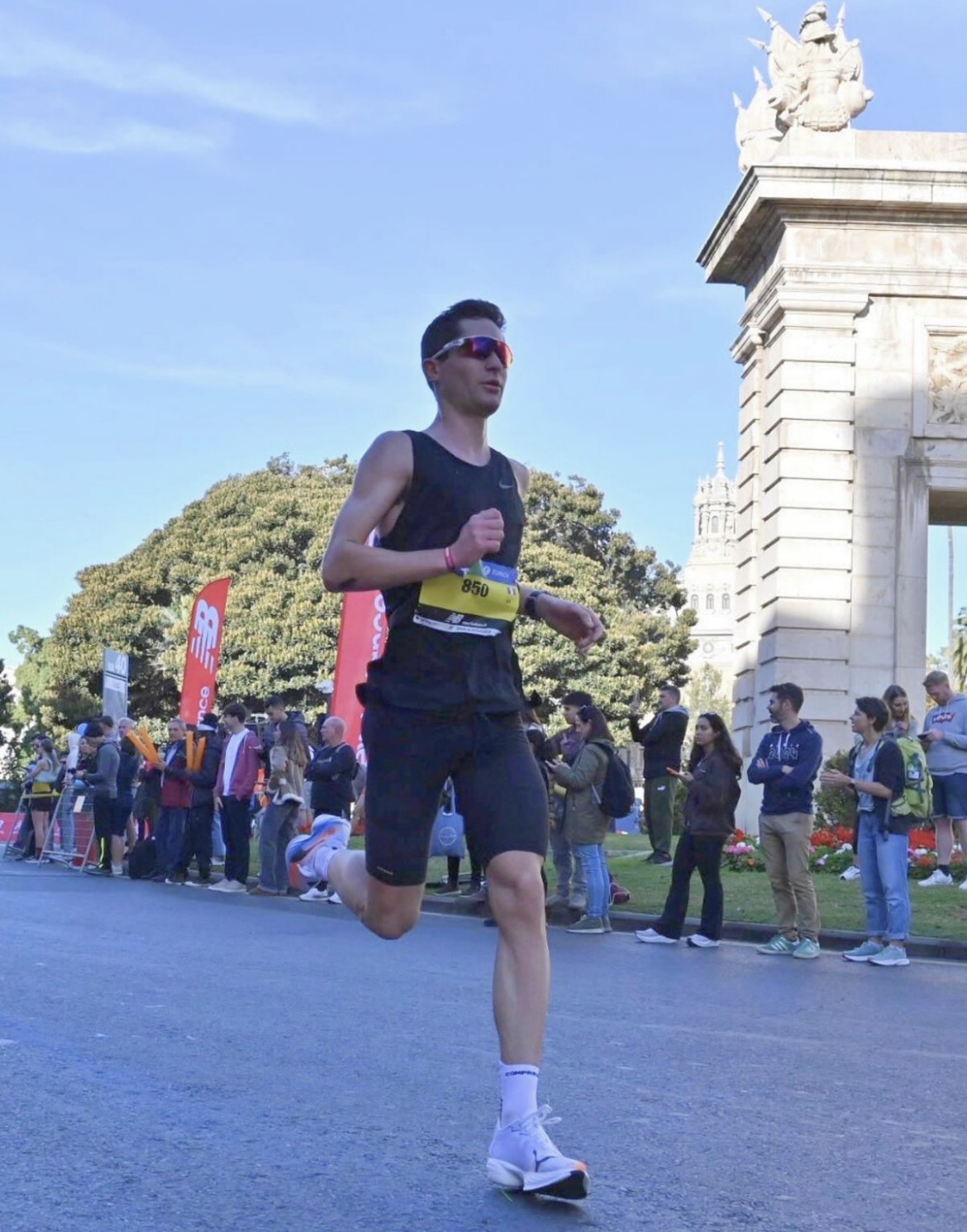
Louis Richard · Marathon
In his first standalone marathon.
Training target: 2:11.
A future target, separate from the result already achieved.
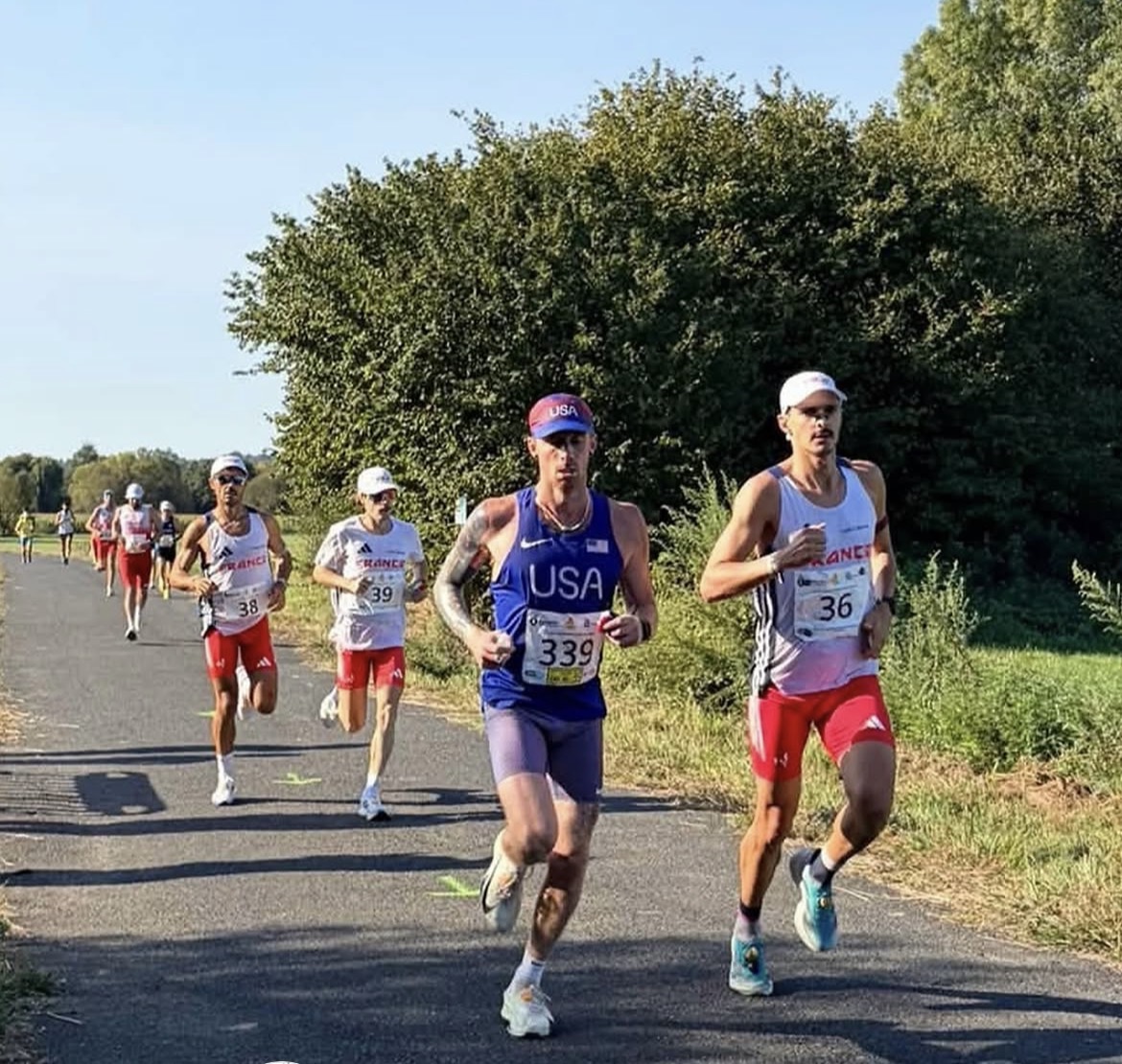
Steven Galibert · 100K
6th overall · 2nd French runner · Team bronze
A personal best by 4:08. His preparation and racing experience are at the heart of the project.
| Athlete | Time | Marathon |
|---|---|---|
| Louis Richard | 2h19 | First standalone marathon |
| Robin Lemercier | 2h23 | Valencia · 2024 |
| Steven Galibert | 2h25 | Barcelona |
| Florent Pierrat | 2h29 | Metz · 2025 |
| Boris Chenal | 2h35 | La Rochelle · 2024 |
| Olivier Gérard | 2h36 | Valencia · 2024 |
| Édouard Tiret | 2h36 | Valencia · 2022 |
| Charles Segard | 2h36 | La Rochelle · 2017 |
| Dominique Marradi (women) | 2h50 | La Rochelle · 2001 |
Ultra-trail
7th in 10:00:59 · 5,300 m elevation gain
Specific preparation for a long mountain race.
Also on the trails
6th over 52 km · 3,850 m elevation gain
An example of preparing for the demands of mountain trail running.
Meet the founders
Two coaches, one philosophy: understand each athlete, interpret data in the context of lived experience, and build training around the individual.
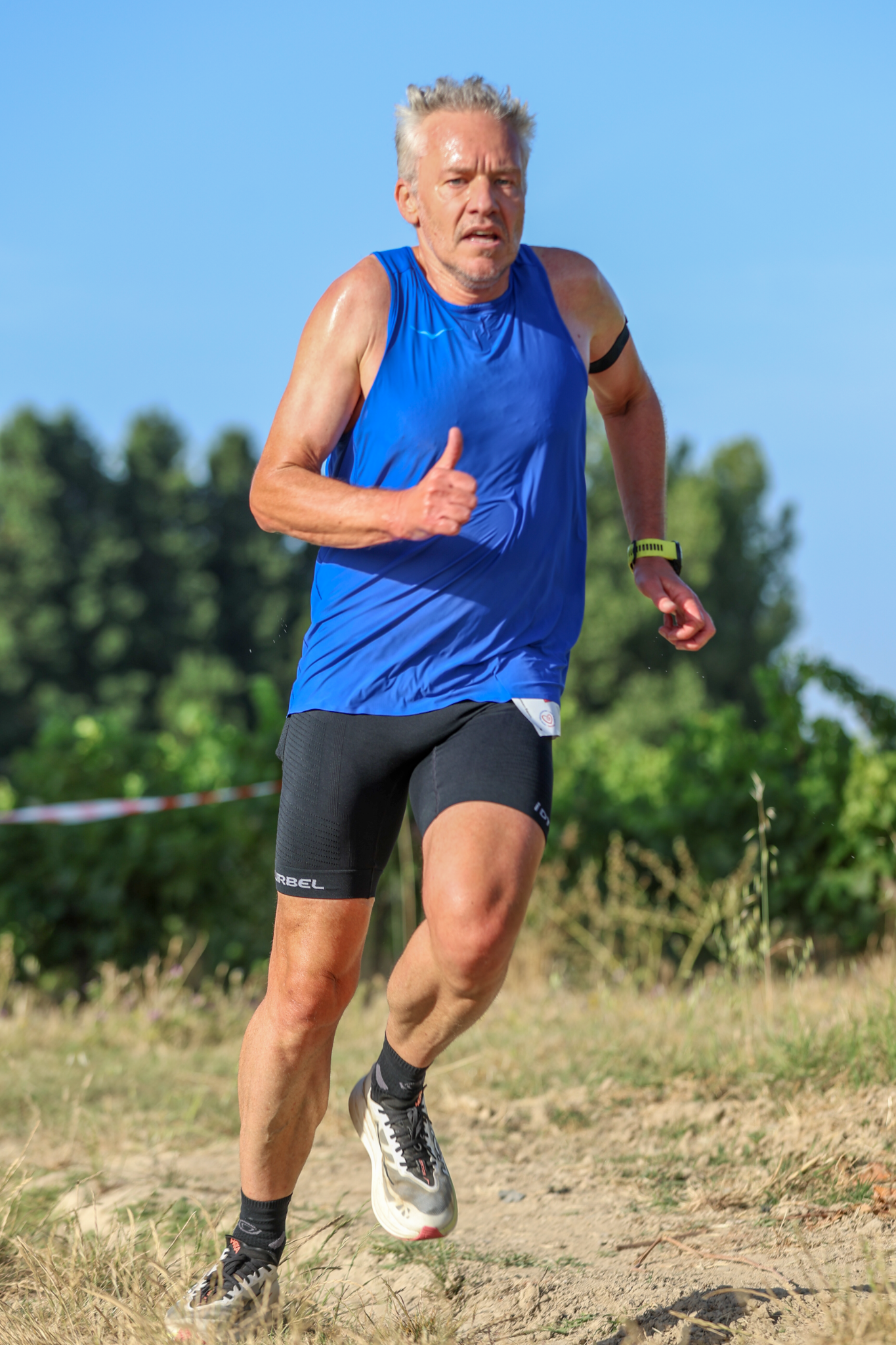
Coach · Physiology and performance analysis
Over 20 years of experience in endurance coaching, combining physiological testing, individualised planning and analysis of each athlete’s response to training load.
Individual measurement of exogenous carbohydrate oxidation to help shape your fuelling strategy.
Experience coaching road, trail and long-distance endurance athletes, including marathon runners since 2001 and high-level competitors.
Talk to Karoly ↗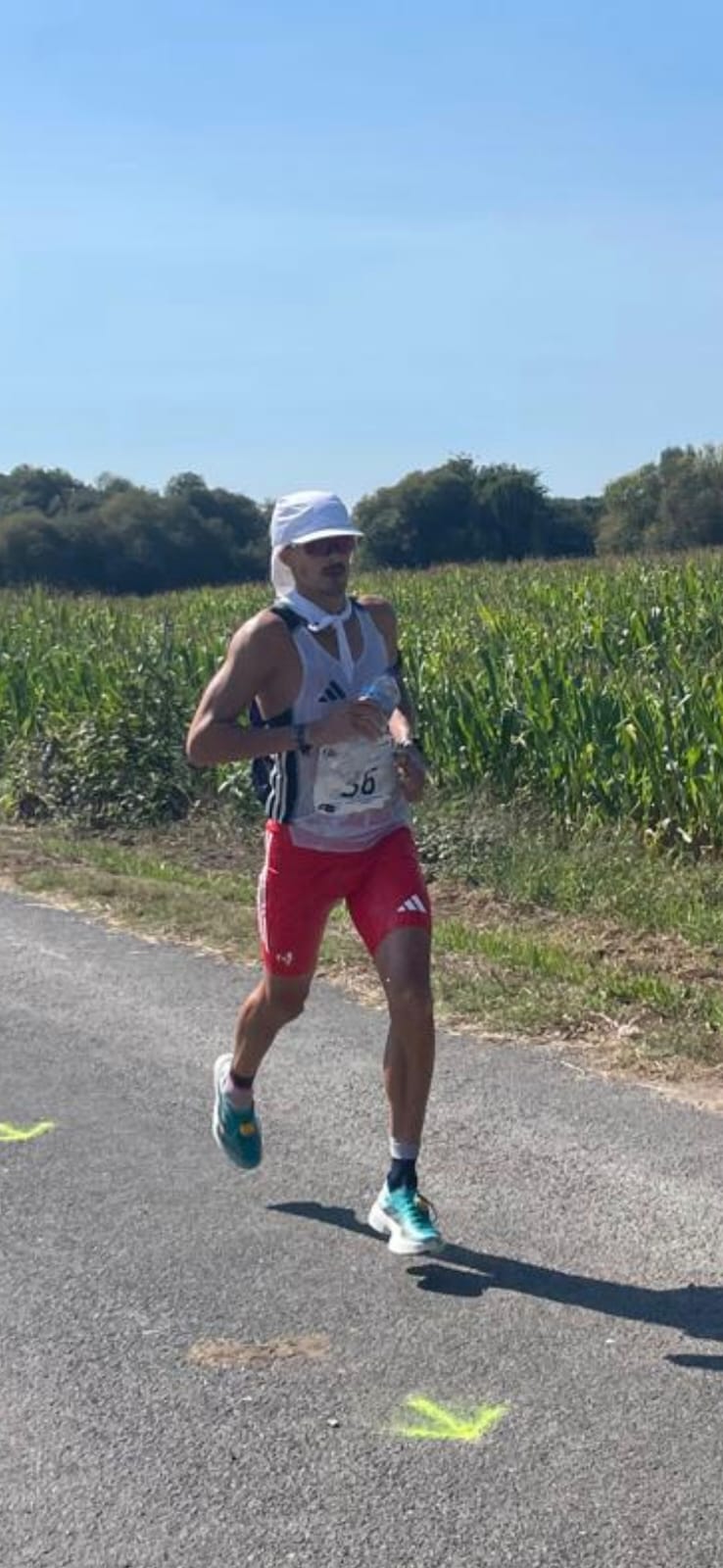
Coach and international athlete · Marathon and 100K
A coach and high-level runner, Steven brings first-hand experience of preparing and competing: pacing, fatigue and the unexpected challenges of race day.
6th at the 100K World Championships in 6:25:30 and a team bronze medallist with France.
Talk to Steven ↗Our approach
Speed, thresholds and running economy shape your potential. Durability describes how well you preserve that potential as fatigue builds. We train these qualities in line with your race demands.
Your goals, history, constraints and relevant tests help us define training intensities, strengths and areas to develop.
Progressive, race-specific training adjusted to your individual response, with nutrition periodisation tailored to each session. Training volume reflects the demands of your target race.
We combine pace, heart rate (HR) and rating of perceived exertion (RPE) to evaluate each session and adjust training. We monitor adaptation, durability, and the relationship between internal and external load.
Refine pacing, fuelling and terrain-specific preparation for expected conditions. When useful, we can assess durability and your fuelling profile in more depth.
Your coaching
Coaching with Karoly or Steven, built around your profile, availability and goals. From 5K to ultramarathons, with particular expertise from the marathon to 100K.
Tailored training
130 €/ month
Individualised coaching to improve performance and durability.
HRV + strength training
160 €/ month
Everything in Performance, with HRV monitoring and tailored strength training.
Everything in Performance, plus:
HRV monitoring relies on data shared by the athlete from a compatible device.
Ask about this plan ↗Both plans are available across levels and distances. We help you choose the coaching that fits your goals.
Physiological testing
Four assessments to individualise training intensities, observe physiological changes under fatigue and build your fuelling strategy.
From 150 €
Identify both thresholds using blood lactate samples during an incremental exercise test.
Establish intensity markers linked to pace and heart rate.
From 150 €
Identify your ventilatory thresholds using the PAIRFS ZoneX mask 🇫🇷, using respiratory measurements taken during exercise.
Individualise training zones using your ventilatory response.
240 €
Compare ventilatory thresholds when fresh and again under fatigue after a standardised effort tailored to your goal.
Observe how physiological markers change to guide training aimed at delaying fatigue.
799 €
Measure oxidation of ingested carbohydrate during exercise using an isotope tracing protocol and expired-air samples.
Understand how ingested carbohydrate is used and refine your fuelling strategy.
Case study · Steven Galibert
Steven’s ExoAnalytics test results. The measurements help build a specific strategy, which must then be assessed against race demands and gut tolerance.
87 g/hExogenous carbohydrate oxidation measured under the test conditions.
The report shows 72% oxidative efficiency. Using the displayed values, 87 ÷ 120 is approximately 73%. The difference between intake and oxidation does not directly measure an “unabsorbed” amount.
From the test report
Intakes suggested in the supplied report, distinct from the measured oxidation rate. This individual example is not a prescription for all runners.
These anonymised excerpts from a VT1–VT2 report show how we present, interpret and translate results into practical training markers.
Sample report screenshots are in French; the explanations below are in English.
Values shown are specific to this example. Report content depends on the test protocol; this example also includes muscle oxygenation (NIRS).
Where can you test?
We agree on the test and protocol according to your profile and goals. Results are interpreted to guide training.
Ask about testing ↗Our second signature
We use nutrition periodisation: adjusting energy availability and intake to the purpose of each session, each athlete’s needs and the different phases of training.
Combine training and nutrition to develop the ability to use carbohydrate and fat according to exercise intensity and duration, while supporting session quality and recovery.
Carbohydrate availability can influence exercise-related cellular signalling pathways. We use this tool selectively according to the purpose of each session and your individual response.
Develop and test your race fuelling plan to support pace, train gut tolerance and reduce energy-related constraints that contribute to fatigue.
Improve durability. Delay the onset of fatigue.
From training to adaptation
The training stimulus depends on both the session and its nutritional context.
Including AMPK and p38 MAPK pathways involved in regulating adaptation.
Mechanisms involving PGC-1α and mitochondrial biogenesis.
Simplified educational diagram: these interactions depend on intensity, training status and energy availability. Changing a cellular signal alone does not guarantee improved performance. Research reference ↗
Our own analysis app
We developed our own analysis app to put training data to work for our coaching philosophy.
Understand your response to training.
A session makes sense in the context of the wider training plan. Our app brings together pace, heart rate and perceived exertion to support analysis and dialogue with the athlete.
Technology supports the athlete–coach relationship.
Screenshots show the current French-language interface; the analysis is explained below in English.
One session, several perspectives
Actual screenshots from our app: monitor the consistency of intervals, observe heart-rate response and examine the relationship between pace and heart rate.
Select a screenshot to enlarge it. These data come from one athlete; paces and physiological markers are individual.
From training to racing
His first standalone marathon, completed in 2:19. The analysis shows how the pace–heart-rate relationship changed through the race: an example of durability at marathon pace.
The approximately 4% decoupling compares the two halves in the first screenshot. The overall summary shows another decoupling indicator (+0.8%); these are different calculations.
Monitoring over time
Combine HRV trends, resting heart rate and athlete-reported context to guide conversations and training adjustments.
These measures are interpreted together in the context of the athlete and training load. One reading alone does not determine a session.
Build and adjust training
Volume is only part of the picture. Our app compares duration, distance and intensity with perceived effort and heart-rate response to inform training adjustments.
An example from Steven Galibert. This summary combines activities from several sports; distance totals include more than running. Indicators and flags require individual context.
Training insights
Explore physiology, durability and running training through these articles, from road to trail. Read the full articles in English on Substack.
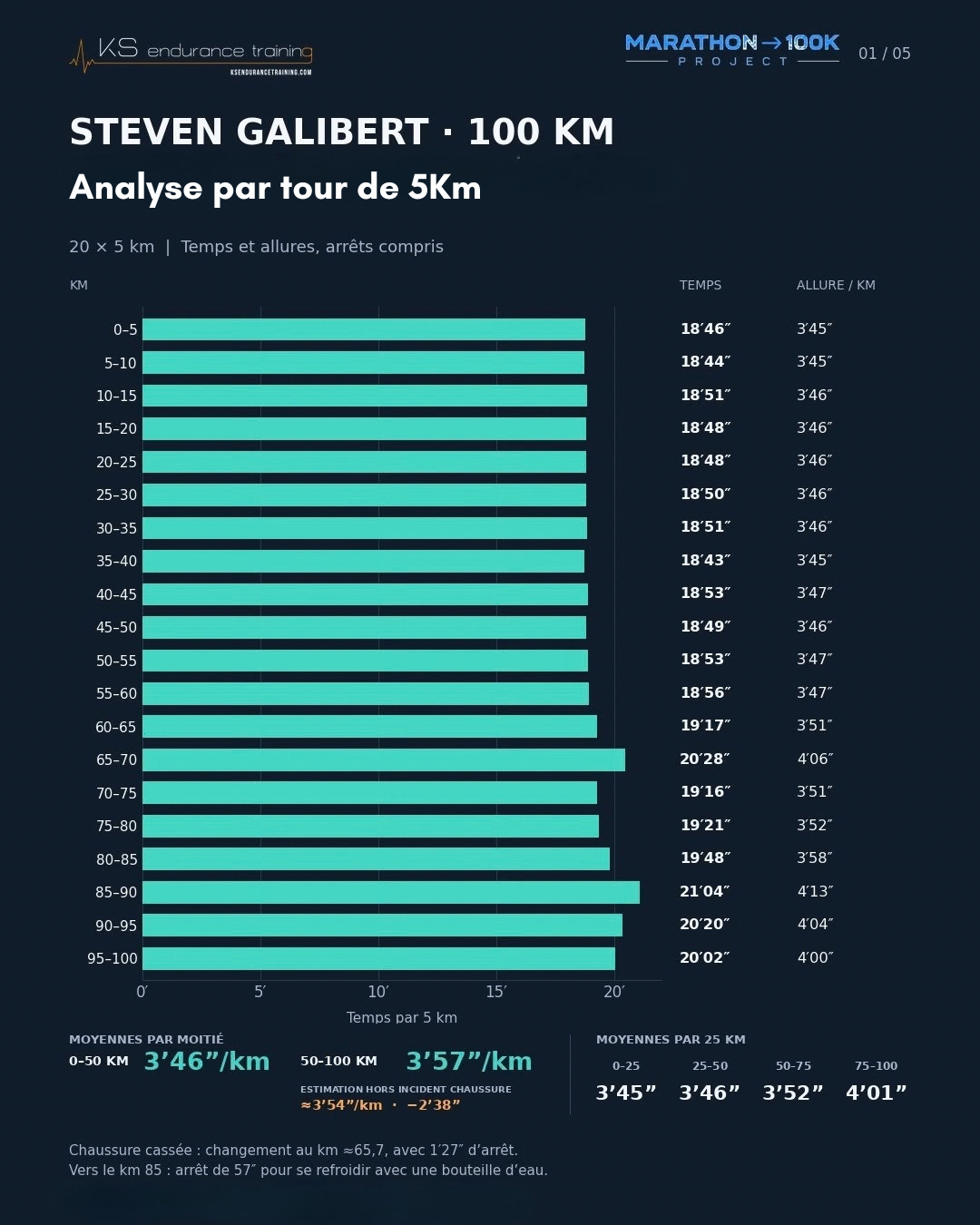 100K · Race analysis
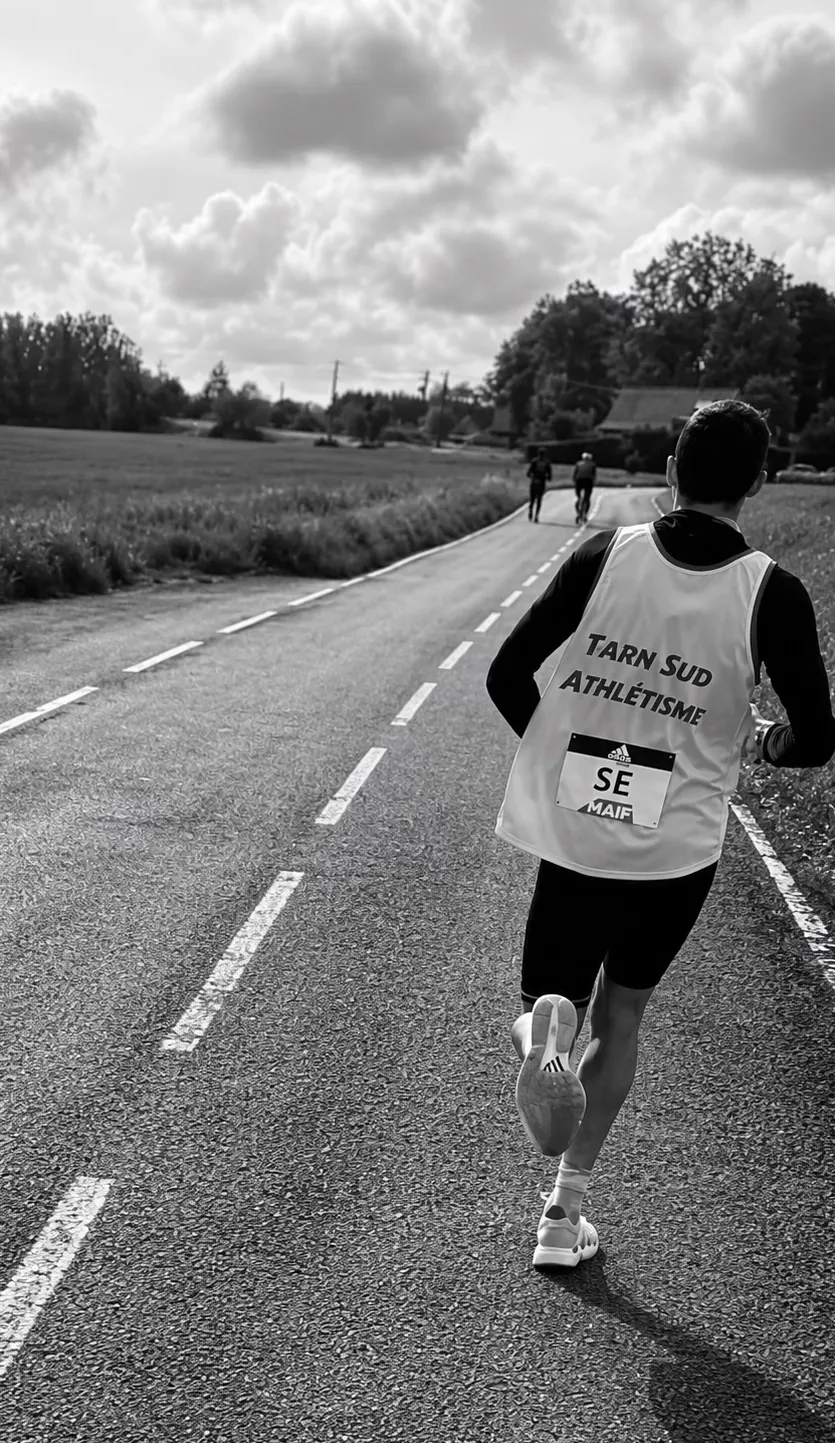 100K · Part 1
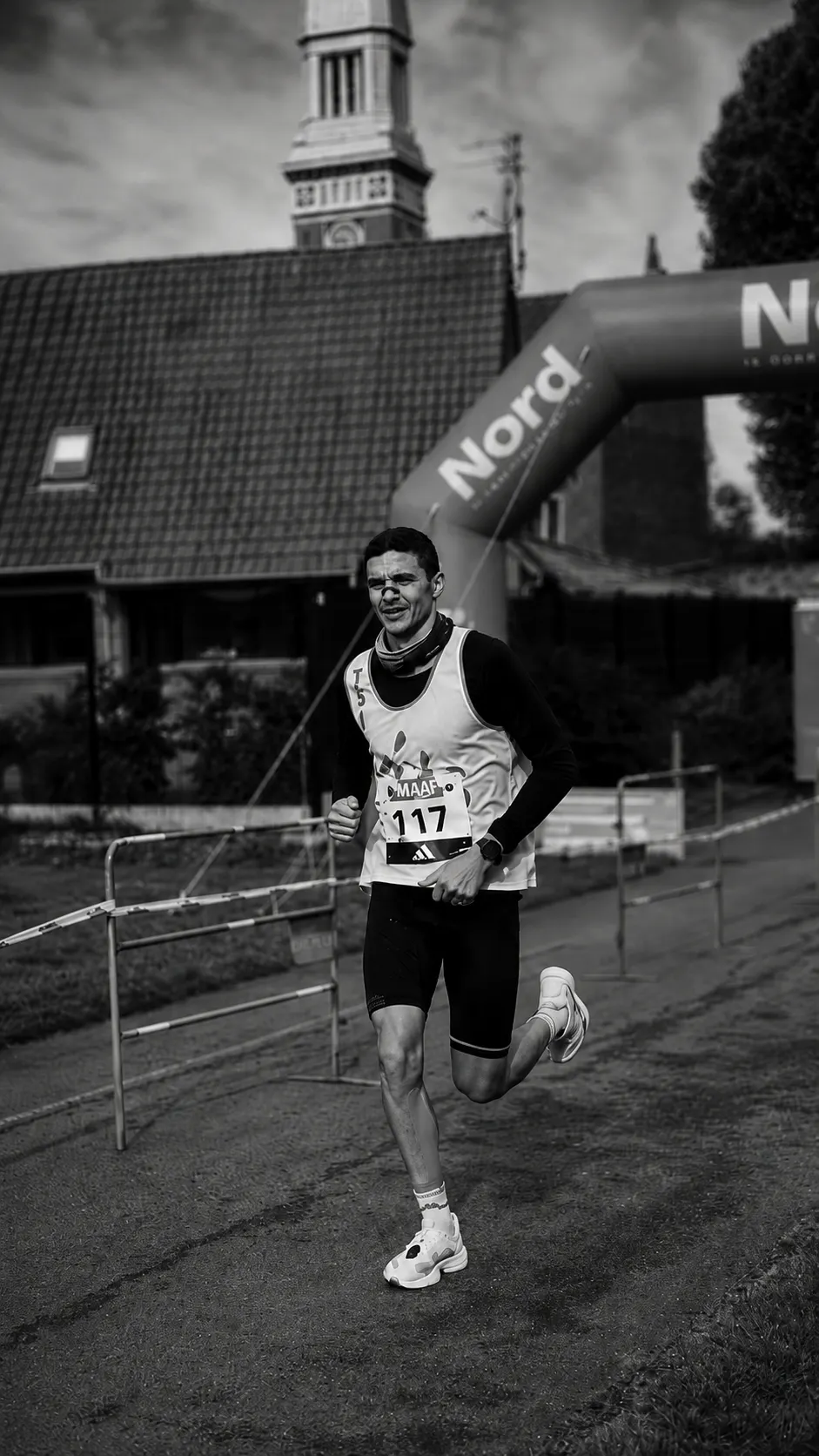 100K · Part 2
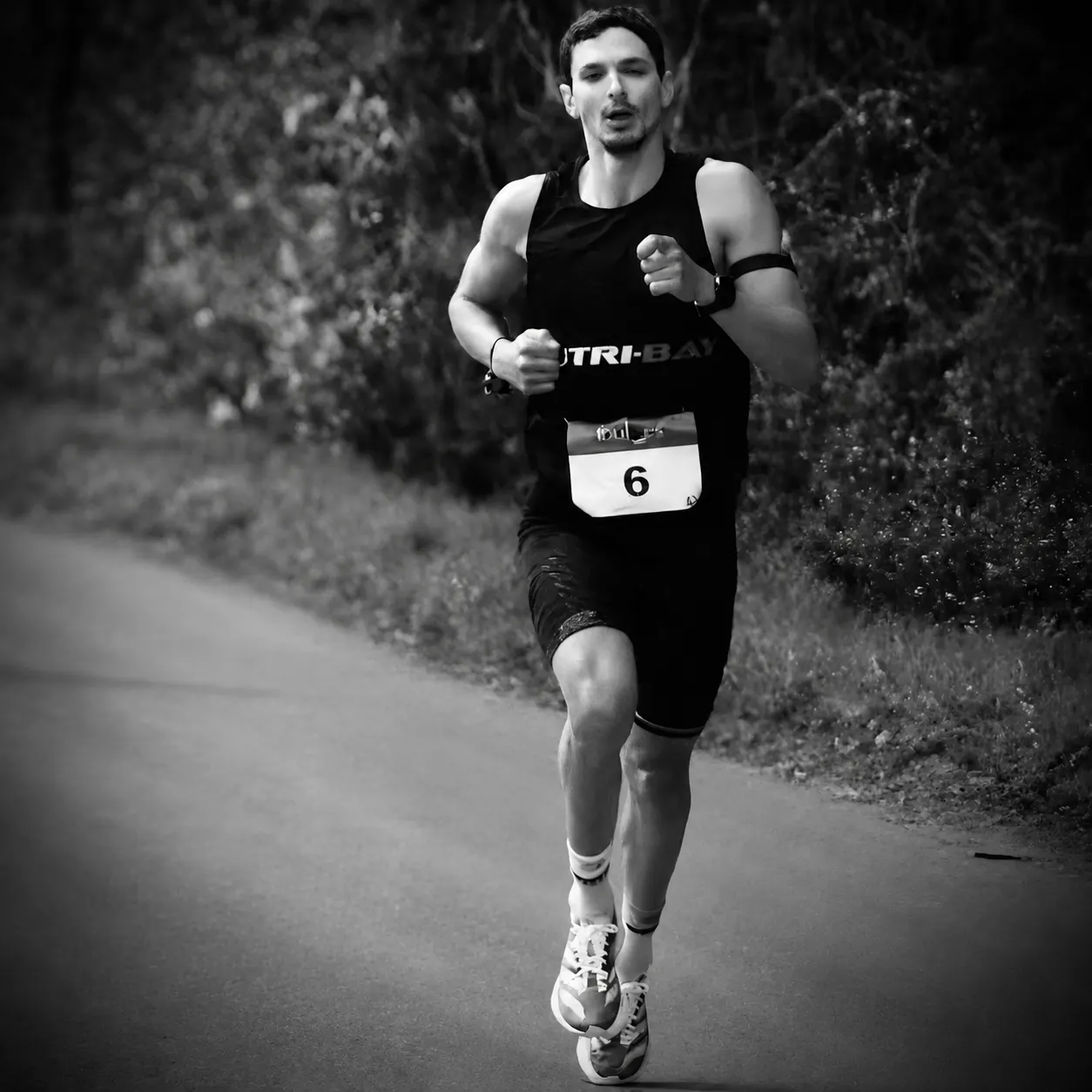 100K · Part 3
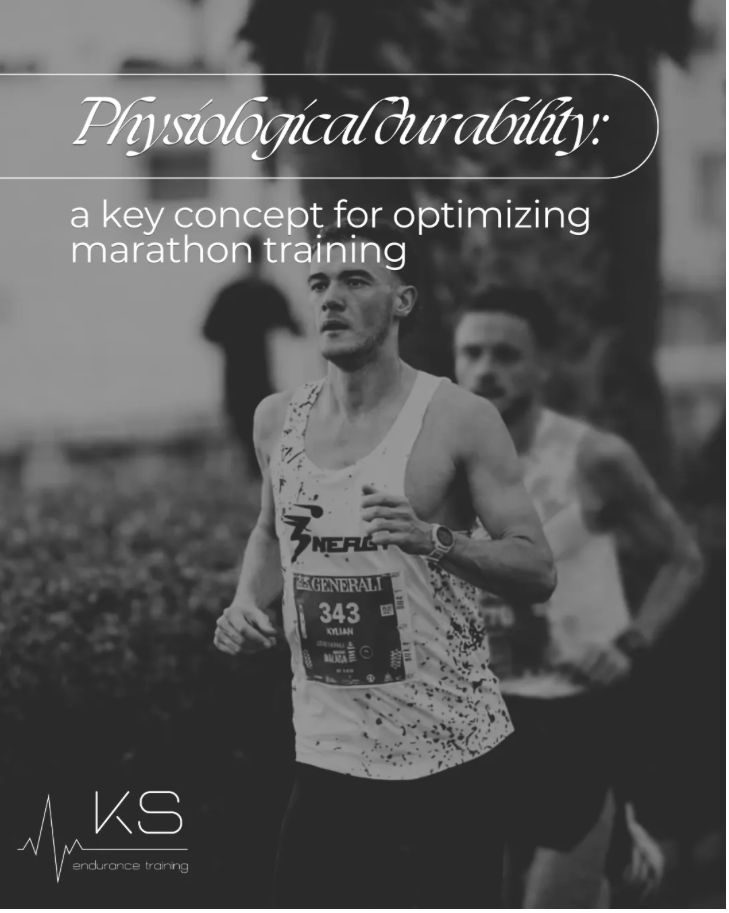 Marathon · Durability
 Durability · Training
Your questions
We work with runners who want structured, individual coaching. Your current level is the starting point for your plan.
No. These are our specialist distances, but we coach 5K, 10K, half marathon, marathon, 100K, trail and ultramarathon runners. Your own goal drives the plan.
We discuss the coaching arrangement and each coach’s role during our first conversation, based on your goals and our availability.
Our app supports coaching analysis. Conversations, your sensations and individual context remain essential to interpret the data.
We align nutrition with session goals and phases of preparation. This periodisation aims to develop metabolic flexibility and training adaptations while supporting recovery. We test the race fuelling strategy ahead of time and adjust it to your energy profile and gut tolerance.
Testing depends on your needs and circumstances. We discuss relevant tests and practical details before you start. Testing is available in Cairanne (Vaucluse) and Castres. Explore the four assessments.
Measure to individualise
Individual measurement of exogenous carbohydrate oxidation can help guide and test your intake during racing, alongside gut tolerance, sensations and race demands.
Your next start line
A 5K, a marathon, your first 100K or an ultramarathon. Tell us about your background, target race and availability to start a conversation.